




For the past two years, the multifamily industry has been racing to adopt AI.
The conversation usually sounds something like this:
“AI can save your team five hours a week.”
“AI can automate resident communications.”
“AI can eliminate repetitive tasks.”
All of that is true.
But it raises a much more important question: What happens after AI gives us those hours back?
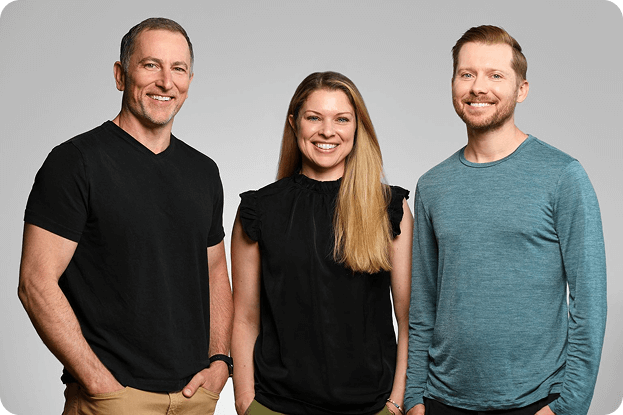
In a recent episode of Digible Dude, Digible CEO Reid Wicoff sat down with Jamie Gorski, Founder of Catchpoint Collective, to explore AI, customer experience, and the future of multifamily operations. One idea stood out above the rest: The real opportunity isn’t saving time. It’s deciding how to use it.
That’s where many organizations are getting stuck.
The “Free Time Trap” Is Real
AI is doing exactly what it promised. It’s handling repetitive work. Answering routine questions. Drafting emails. Scheduling tours. Automating tasks that once consumed hours every week.
But according to Jamie, many organizations stop there.
The work changes. The job doesn’t.
Employees suddenly have more capacity, but nobody has redefined what success looks like. Instead of creating more meaningful work, teams often fill the gap with more busy work because that’s what they’ve always done.
Saving time isn’t the finish line. It’s the starting point.
AI Should Create Better Customer Experiences, Not Just Greater Efficiency
It’s easy to measure time saved. It’s much harder to measure stronger relationships.
That’s why Jamie argues that AI shouldn’t simply make people faster. It should make them more human.
Imagine a leasing consultant who spends less time answering repetitive emails and more time understanding what a prospective resident is actually looking for. Or a property team that spends less time on administrative tasks and more time creating a sense of belonging for residents.
Those are the outcomes that matter.
Technology creates capacity. People create connections.
The Biggest Opportunities Live in the Smallest Moments
One of the most memorable ideas from the episode centered on what Jamie calls micro moments.
Not the big milestones, but the little interactions.
The maintenance technician leaves an apartment cleaner than they found it.
The leasing professional who remembers a resident’s name.
The front desk associate who asks how someone’s day is going.
Individually, they don’t seem significant. Collectively, they define the resident experience. AI won’t replace those moments.
If used well, it should create more opportunities for them.
Better AI Starts With Better Change Management
One of the biggest misconceptions about AI adoption is that implementation ends once the software goes live.
In reality, that’s when the work begins.
Jamie believes organizations need to rethink roles, responsibilities, and career paths alongside new technology.
If AI changes how leasing consultants spend their day, their job descriptions should evolve, too.
If automation removes repetitive work, leaders should clearly define where that newly available time creates the greatest value. Otherwise, organizations risk automating tasks without improving outcomes.
Technology changes quickly. People need help changing with it.
The Future of Multifamily Requires Better Questions, Not Just Better Technology
As AI solutions continue flooding the market, it’s tempting to evaluate every new platform the same way.
How much time does it save?
How many tasks does it automate?
How much does it cost?
Those questions matter. But Jamie encourages leaders to ask another one first: What problem are we actually trying to solve?
Every organization is different.
The right technology isn’t the one with the most features. It’s the one that solves a meaningful business problem and delivers measurable results.
That’s a much stronger foundation for innovation than chasing the latest trend.
The Companies That Win Will Be More Human, Not Less
AI isn’t replacing hospitality. It’s creating room for more of it.
The organizations that benefit most won’t simply automate faster than everyone else.
They’ll intentionally reinvest that time into better conversations, stronger relationships, more thoughtful service, and the countless micro moments that residents actually remember.
Because residents rarely remember how quickly an email was answered. They remember how someone made them feel.
And that’s something AI alone can’t deliver.
Listen to the Full Digible Dude Podcast Episode with Jamie Gorski
This blog highlights just a few of the insights from Reid’s conversation with Jamie Gorski. Together, they dive deeper into AI adoption, customer and associate journeys, change management, ROI, innovation, and why the future of multifamily depends on pairing technology with intentional leadership.
Catch the full episode of Digible Dude on:
🎧 Spotify | 🎧 Apple Podcasts | ▶️ YouTube
Follow The Digible Dude for more conversations with the leaders shaping the future of multifamily marketing, operations, and resident experience.