




Artificial intelligence has become the hottest topic in multifamily.
Every conference has an AI session.
Every supplier has an AI announcement.
Every operator is asking the same question:
How do we get ROI from AI? It’s a fair question. But it may not be the right one.
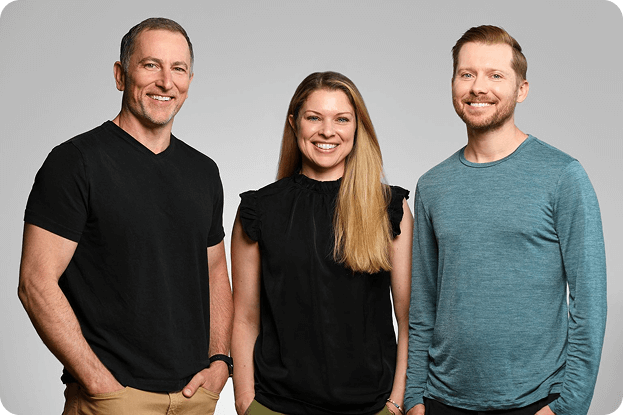
In a recent episode of Digible Dude, Reid sat down with Josh Hinchley, Vice President of Leasing & Marketing at Sentinel Management, to discuss AI, customer experience, and technology adoption in multifamily. While the conversation covered everything from leasing automation to change management, one idea stood out:
The best use of AI isn’t replacing people. It’s giving people more time to do what humans do best. That’s a subtle distinction, but it changes how organizations evaluate technology, build teams, and define success.
AI in Multifamily Should Create Better Experiences, Not Smaller Teams
Much of the conversation around AI focuses on efficiency.
How many hours can it save?
How many tasks can it automate?
How many positions can it replace?
Josh sees it differently. He compares AI to Microsoft Excel.
When spreadsheets became mainstream, accountants didn’t disappear. They became more productive. AI represents the same kind of shift. It changes how people work, not whether they work.
That’s an important mindset for multifamily operators. If technology simply eliminates human interaction, the resident experience suffers.
If technology removes repetitive tasks so leasing teams can spend more time building relationships, everyone wins.
The Future of Multifamily Marketing Is Human Plus Technology
The best customer experiences aren’t fully automated. They’re flexible.
Josh uses Hilton Hotels as an example.
Some guests want mobile check-in and digital room keys. Others prefer walking to the front desk and talking with someone.
Neither approach is wrong. The best brands don’t force customers into one experience. They give them options.
The same philosophy applies to multifamily. Some prospects want to self-schedule a tour at midnight. Others want to call the leasing office.
Some prefer virtual tours. Others want a leasing consultant to walk them through every amenity.
Great operators don’t choose between technology and hospitality. They design for both.
The Biggest AI Mistake Is Treating Change Like a Software Launch
Buying software is easy. Getting people to embrace it is much harder. Josh believes successful technology adoption starts long before launch day.
Instead of surprising teams with a new platform, involve them in the evaluation process. Invite future users to demos. Ask them to test products. Be honest about what won’t work perfectly.
Most importantly, keep listening after launch. One story perfectly illustrates this approach.
After implementing a new AI leasing platform, Josh visited one of Sentinel’s communities and noticed an assistant manager seemed unusually frustrated. Sitting beside her was a stack of sticky notes documenting every issue she’d encountered.
Rather than dismissing the concerns, Josh spent the next few hours working through each one.
Many problems turned out to be simple settings or configuration changes. More importantly, the employee felt heard. Technology adoption isn’t just about implementation. It’s about trust.
Great Leaders Fight Apathy, Not Resistance
Resistance gets a lot of attention. Apathy is often more dangerous.
When employees stop raising concerns, stop asking questions, or assume “that’s just how it is,” organizations stop improving.
Josh argues that leaders should actively create opportunities for feedback instead of waiting for problems to surface. That means treating employees like partners, giving them context, and helping them understand how their work contributes to the bigger picture.
People are far more likely to embrace change when they feel included in it.
ROI Is Bigger Than Labor Savings
When companies evaluate AI, labor reduction often dominates the conversation.
Josh challenges that assumption.
His goal isn’t to buy technology so Sentinel can eliminate headcount. It’s to improve leasing performance, increase resident retention, reduce vacancy, and create stronger long-term financial outcomes.
That’s a fundamentally different way to think about return on investment.
If AI helps leasing teams respond faster…
If it creates more opportunities for meaningful conversations…
If residents stay longer…
If marketing becomes more efficient…
Those gains often outweigh short-term labor savings.
The biggest return isn’t always found by cutting costs. Sometimes, it’s found by creating more value.
The Future of Multifamily Belongs to Companies That Balance AI and Humanity
Josh shared one idea that feels especially relevant as AI adoption accelerates across the industry.
Buy the best technology your budget allows. Hire the best people you can afford. But if you’re forced to choose, choose the people. Great teams can succeed with average technology. Great technology rarely succeeds without great people.
That’s a refreshing perspective in a moment when AI often dominates the conversation.
Technology will continue to evolve.
The companies that stand out won’t simply be the ones with the newest tools. They’ll be the ones that use those tools to create better experiences for residents, stronger partnerships with employees, and more meaningful human connections.
Because in multifamily, technology should never replace hospitality. It should make it even better.
Listen to the Full Digible Dude Podcast Episode with Josh Hinchley
This article highlights just a few of the insights from Reid’s conversation with Josh Hinchley, but there’s much more in the full episode.
Together, they explore AI adoption, change management, resident experience, marketing ROI, and why the future of multifamily depends on balancing technology with humanity.
Catch the full episode of Digible Dude on:
🎧 Spotify | 🎧 Apple Podcasts | ▶️ YouTube
Follow Digible Dude for more conversations with the leaders shaping the future of multifamily marketing and operations.