




5 Common Budgeting Mistakes Multifamily Marketers Are Still Making & How to Avoid Them
Let’s be honest: marketing planning season in multifamily isn’t exactly a beach vacation.
You have limited resources, ambitious leasing goals, and approximately a million decisions to make under pressure. Meanwhile, renter search behavior is changing, AI is reshaping discovery, marketing platforms keep evolving, and every vendor has a different opinion about where your next dollar should go.
So before you lock in those 2027 numbers, let’s talk about what not to do.
These are five budgeting mistakes that can leave multifamily marketers with wasted spend, murky performance data, and strategies that look great in a spreadsheet but struggle to deliver where it actually matters: qualified leads and leases.
1. Guess Your Media Mix Based on Vibes
“Let’s just put a little everywhere and see what sticks.”
Still not a strategy.
With every platform claiming to be the answer to your leasing challenges, it’s tempting to spread budget across ILSs, paid search, paid social, display, video, SEO, and whatever shiny new channel lands in your inbox next.
But a “balanced” media mix isn’t necessarily an effective one.
Without accurate performance data, you could be investing in channels that generate plenty of activity without generating enough qualified prospects. You may also be duplicating efforts across vendors or paying for visibility you’re already earning elsewhere. That’s why 2027 planning is a good opportunity to rethink your ILS investment and evaluate whether each channel is earning its share of your marketing budget.
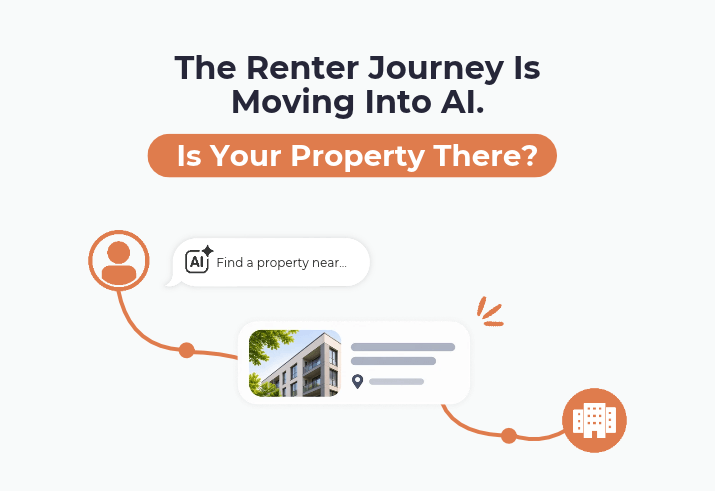
And in 2027, there’s another wrinkle: renter discovery is becoming increasingly fragmented. Prospects aren’t only finding communities through a traditional Google search. They’re researching across Maps, social platforms, listing sites, reviews, and AI-powered search experiences.
Instead:
Start with renter behavior, property needs, and full-funnel performance.
Look beyond impressions and clicks to understand which channels contribute to qualified leads, tours, applications, and leases. Then build your media mix around what your property actually needs instead of trying to give every channel an equal slice of the pie.
Your budget doesn’t need to be everywhere.
It needs to be in the right places.
2. Set Goals Based on Last Year’s “Kinda Worked” Numbers
“Let’s use the 2026 budget, add a little, and call it 2027.”
Convenient? Sure.
Strategic? Not so much.
Last year’s budget can be a useful reference point, but it shouldn’t automatically become this year’s strategy. Market conditions change. Occupancy changes. Competition changes. Renter behavior changes. Platforms change.
Your property probably changed, too.
That means simply carrying over spend by channel can lock yesterday’s assumptions into tomorrow’s budget.
It can also create a bigger problem: static annual budgets in a market that isn’t static.
A community at 88% occupancy in February shouldn’t necessarily have the same priorities as that same community at 95% occupancy six months later. A lease-up shouldn’t market like a stabilized asset. And a property facing a sudden competitive concession probably shouldn’t wait until next year’s budget cycle to react.
Instead:
Start by planning your budget around seasonality and current property and market realities.
Factor in occupancy, leasing velocity, competitive pressure, forecasted leads, close rates, historical channel performance, and your property’s specific business goals.
Then leave room to move.
Your annual budget should establish the strategy. Your performance data should help determine how that strategy evolves throughout the year.
3. Hope Your Vendors Are “Probably Tracking That”
“Our CRM connects with… something, right?”
Attribution chaos hasn’t magically disappeared.
If anything, a more fragmented renter journey makes clean measurement even more important.
When your ad platforms, website analytics, CRM, call tracking, ILSs, and vendors all tell slightly different versions of the story, budgeting becomes a guessing game.
One platform celebrates its conversion count. Another points to traffic. Someone else has a spreadsheet of leads. Meanwhile, your team is trying to answer the only question that really matters:
What is actually helping us lease apartments?
Instead:
Get your measurement foundation in order before using performance data to make major budget decisions.
Standardize UTM tracking. Establish consistent definitions for leads and conversions. Connect performance to downstream leasing outcomes whenever possible. And make sure your partners give you transparent access to the data behind their recommendations.
Tools like Fiona, Digible’s Marketing Operating System, can bring marketing intelligence into one place and help teams make property-specific budget and media mix decisions using factors like occupancy, market trends, forecasted leads, close ratio, and more.
Because a dashboard full of numbers isn’t the same thing as having actionable data.
4. Treat Paid, Organic, Content, and AI Search Like Separate Strategies
“Paid social says one thing, organic says another, and the site says… huh?”
Your prospects don’t experience your marketing in channels.
They experience your property.
They might discover you through an ad, check your Google Business Profile, scroll through your social content, read reviews, visit your website, leave, search again, and eventually ask an AI-powered search tool to help narrow their options.
That’s one renter journey, even if your marketing budget puts every touchpoint on a different line.
In 2027, that interconnectedness matters even more.
SEO can strengthen paid media and AI discovery, while helpful, locally relevant content gives search engines and AI systems more context about your community. Accurate property information, reviews, website content, social content, and paid messaging all contribute to the same digital footprint.
Treating those efforts as completely separate budget lines can mean missing the ways they reinforce one another.
Instead:
Budget for the renter journey, not just individual channels.
Align paid and organic messaging. Invest in useful, property-specific content. Keep local information accurate and consistent. Make sure your website answers the questions prospects are actually asking. And coordinate your strategies so each channel makes the others stronger.
The goal isn’t simply to rank, advertise, post, or appear in an AI-generated answer.
It’s to create a connected digital presence that helps renters find you, trust you, and take the next step.
5. Assume Your Website Can Carry the Weight
“Our ads are fire. The website will do the rest.”
Your website is still your digital leasing office.
But in 2027, it isn’t your only digital leasing office.
Renters can encounter your community through Google Maps, social media, reviews, ILSs, AI-generated search experiences, and other sources before they ever reach your homepage.
That doesn’t make the website less important. It makes the experience renters have when they finally arrive even more important.
If your site is slow, confusing, difficult to navigate on mobile, or missing the information a renter needs to make a decision, you’re creating friction at one of the most valuable moments in the journey.
And sending more paid traffic to a weak experience won’t fix it. It’ll just help you waste money faster. In the same way, weak organic visibility can make every lease more expensive by putting additional pressure on paid channels to generate the traffic and demand your organic presence should be helping capture.
Instead:
Audit your digital foundation before increasing acquisition spend.
Prioritize:
- Fast load times
- Mobile-first experiences
- Clear calls to action
- Accurate pricing, availability, and property information
- Helpful content that answers renter questions
- Simple paths to schedule a tour or contact the property
- Consistency between your ads, listings, local profiles, and website
If traffic is strong but conversion rates aren’t, resist the urge to automatically buy more traffic.
Find the leak first.
Your 2027 Marketing Budget Should Be Built to Move
The biggest budgeting mistake you can make in 2027 may be treating your marketing plan like it’s finished the moment the spreadsheet gets approved.
It isn’t.
Your occupancy will change. Competitors will change. Search behavior will change. Platforms will definitely change.
Your strategy should be able to change with them.
That means building a budget around data instead of assumptions, connecting paid and organic efforts, measuring what happens beyond the click, and giving your team enough flexibility to shift dollars when performance or property needs change.
You don’t need more guesswork.
And you don’t necessarily need more budget.
You need a clearer picture of where your dollars can make the biggest impact.
Digible’s Fiona Budget & Media Mix Planner combines property data, market data, and digital trends to generate hyper-local budget recommendations based on factors like property type, occupancy, market conditions, forecasted leads, and close ratio.
So instead of asking, “What did we spend last year?” you can start with a much more useful question:
“What should this property actually spend to hit its goals in 2027?”
Ready to put your 2027 budget to the test?
Get your personalized 2027 multifamily marketing budget recommendation.