




OpenAI has signaled that advertising inside ChatGPT is coming. For multifamily marketers, that is not just a headline. It is a potential shift in how demand is captured.
Because if renters change how they discover apartments, the entire media strategy conversation changes with it.
The real question is simple: what happens when renters stop searching and start asking? And what does that mean for paid search?
How Renters Discover Apartments Today
The modern renter journey is built around search.
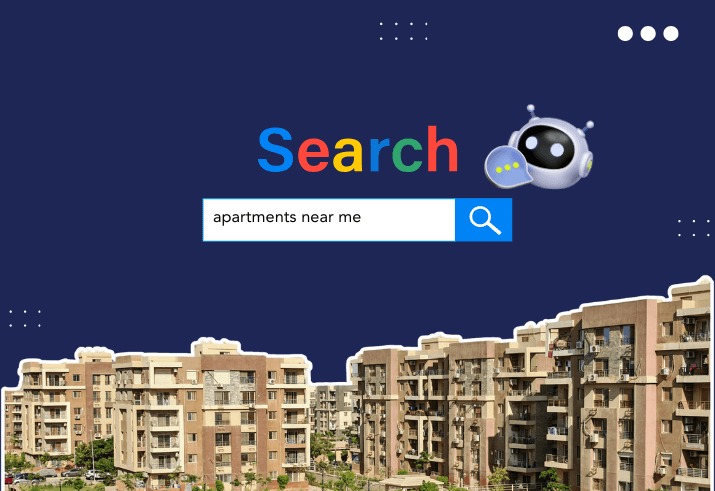
A prospect types “apartments near me” into Google. They scroll sponsored listings. They compare ILS results. They open multiple tabs. They narrow options manually.
Traditional digital advertising is designed around this behavior.
Google captures high-intent searches through keyword auctions. Meta interrupts users based on behavioral targeting. ILS platforms monetize visibility within aggregated inventory.
The model works. But it assumes the renter knows what to type. That assumption may not hold forever.
Traditional Paid Search vs. AI-Driven Placement
Let’s compare traditional paid search to AI Ads and how each model functions.
Google and Meta: The Auction Economy
Google Ads operate on bidding. You compete for keywords like “luxury apartments in Denver.” Visibility depends on budget, competition, and optimization.
Meta Ads rely on interruption. You target audiences and hope the right creative catches attention mid-scroll.
Both models are reactive. They respond to signals. They depend on clicks. And they require the renter to initiate the search or engage with the ad.
The renter searches. You compete to appear.
AI Placement Inside ChatGPT: The Recommendation Economy
Although we are still learning how AI ad placement works as Open AI makes announcements and rolls them out, here is what we currently understand. AI placement introduces a different framework than traditional paid media on Google. Instead of fragmented keyword searches, a renter might say:
“I need a pet-friendly one-bedroom under $2,000 near downtown with good natural light and parking.”
That is not a search query. It is a conversation.
ChatGPT can interpret preferences, constraints, and trade-offs in one exchange. It can refine results dynamically. Instead of returning links, it can deliver a short list of curated options with context.
If advertising integrates into that experience, placement may look less like a banner and more like inclusion in a recommendation.And inclusion carries authority.
From Search Results to Curated Answers
Search engines return links. AI returns synthesized answers.
In traditional search, renters evaluate multiple properties themselves. They compare amenities, pricing, and reviews across tabs. The burden of filtering sits with them.
In AI-driven discovery, that filtering may happen before they ever click.
Instead of ten possible options, renters may receive three to five that match their criteria. The evaluation window narrows. The shortlist tightens.
If ChatGPT surfaces a small set of recommended communities, the competition shifts upstream.
The real battle may occur before Google ever enters the picture.
Could Renters Ask ChatGPT to Find Their Next Apartment?
It is not far-fetched. Renters already use AI tools to research neighborhoods, budgeting, lease terms, and moving logistics. The next logical step is direct apartment discovery.
“Find me apartments that match this criteria.”
When that behavior scales, discovery becomes conversational. The renter no longer navigates a maze of search results. They refine preferences in dialogue.
That does not eliminate Google or ILS platforms. High-intent search will remain valuable, but AI introduces a decision layer earlier in the journey.
If a renter receives curated suggestions before conducting a traditional search, intent may already be shaped.
What This Means for Multifamily Marketers
This is not a call to abandon paid search. It is a signal to broaden the lens. AI-driven placement changes the visibility equation in three important ways.
- Clarity becomes critical. AI systems rely on structured, accessible information. Communities with clearly defined pricing, amenities, policies, and positioning are easier to understand and surface accurately.
- Reputation carries weight. AI models synthesize reviews, sentiment, and brand signals. Strong, consistent feedback becomes more than a credibility factor. It becomes a discoverable infrastructure.
- Positioning must be specific. Conversational queries are nuanced. Renters may describe lifestyle preferences, commute needs, or pet requirements in detail. Communities that articulate who they serve, not just what they offer, will align more naturally with those conversations.
Visibility may longer be about who bids the highest. It may be about who fits the best.
The Future of Apartment Discovery Is Conversational
Behavior shifts rarely announce themselves. They evolve gradually, then suddenly feel obvious.
AI assistants reduce friction. They compress research. They prioritize relevance. For renters, that is efficient. For marketers, it raises the bar.
Fewer open-ended searches. More guided conversations. Tighter shortlists.
The communities that understand how AI ecosystems surface recommendations will be positioned early. The ones that ignore it may find themselves asking why traffic patterns changed.
We Are Watching OpenAI Ads Closely
ChatGPT Ads represent more than a new placement opportunity. They signal a potential evolution in how renters discover apartments.
One day soon, a renter may not type “best apartments near me.” They may simply ask ChatGPT to find their next home.
When that happens, the question will not be whether AI placement matters. It will be whether your community is part of the answer.
At Digible, we are closely monitoring how AI-driven advertising develops and what it could mean for multifamily demand capture. It is important to note that ChatGPT Ads are still in a highly limited beta phase, not widely available, and there is no confirmed timeline for a broader rollout. That means the real impact, format, and measurement standards are still taking shape. As more information becomes available, we will continue analyzing what it means for our industry and sharing updates accordingly. Because if renters begin changing how they search, we need to be ready to change how we show up.